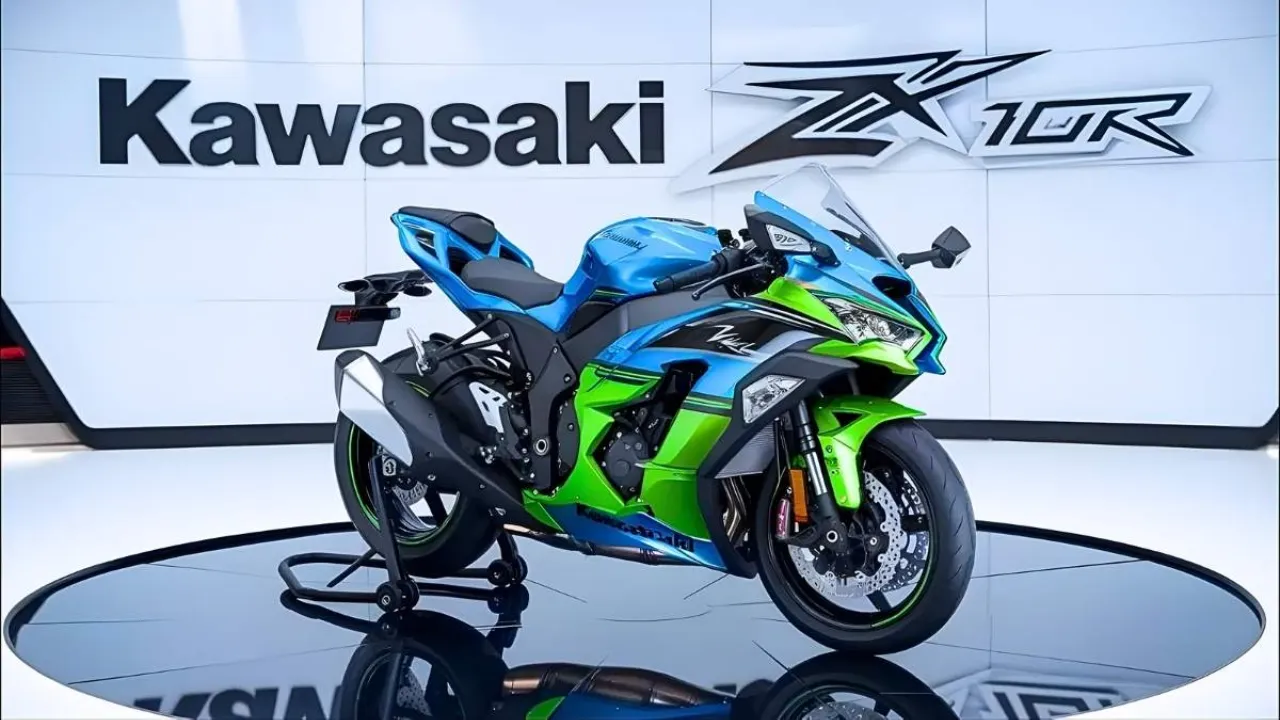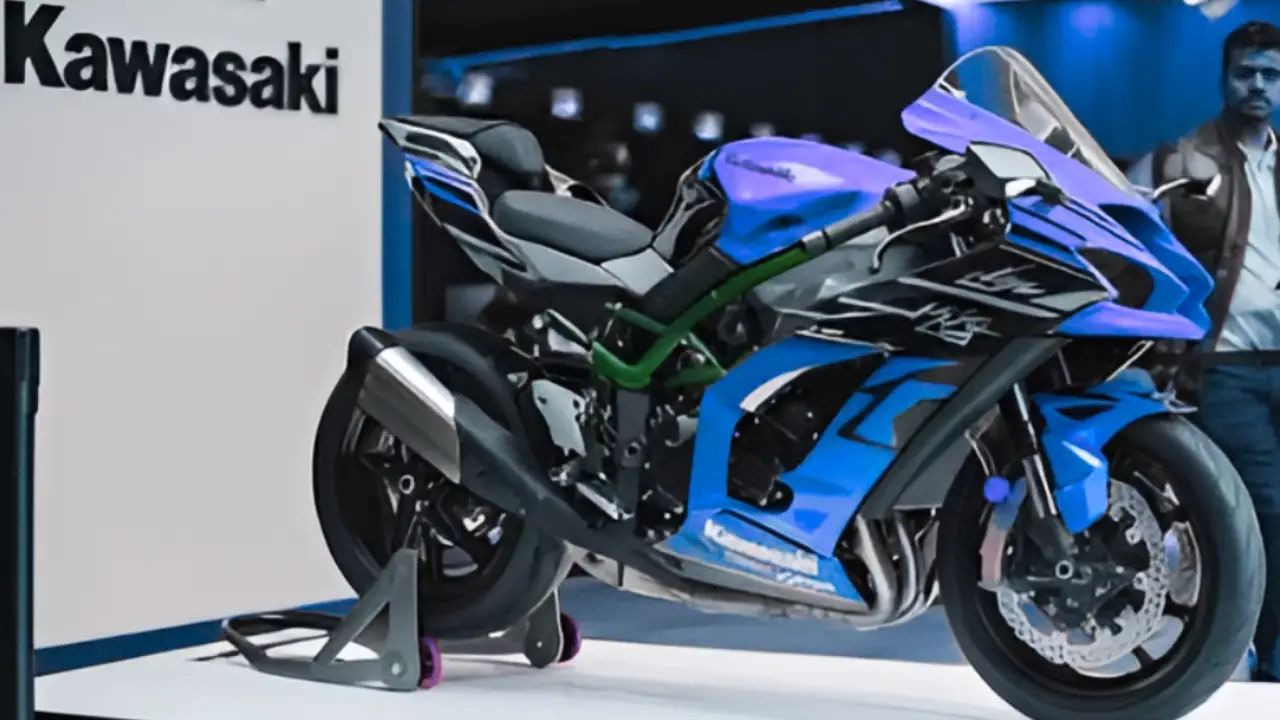
The 2026 Kawasaki Ninja H2R has once again captured global attention, reaffirming its position as one of the most extreme motorcycles ever built. Designed strictly for closed-circuit use, this machine is not road legal and is not intended for public highways. Instead, it represents a pure engineering project where performance, aerodynamics, and innovation take priority over everyday practicality.
2026 Kawasaki Ninja H2R Key Specifications Overview
The core of the Ninja H2R 2026 remains its highly engineered supercharged powertrain, now refined for improved efficiency and control. Below is a clear look at the specifications that define this track-focused hyperbike:
Engine: 998cc Supercharged Inline-Four
Maximum Power: 250+ HP (factory-rated)
Top Speed: Estimated 420+ km/h under controlled track conditions
Frame: High-rigidity trellis steel frame
Electronics: Advanced traction control, launch assist, selectable ride modes
Display: Fully digital TFT instrument cluster with Bluetooth connectivity

Launch Timeline and Global Availability
Kawasaki revealed the 2026 iteration toward the end of 2025, confirming that deliveries are scheduled to begin in the first half of 2026. Production will remain highly limited, maintaining the exclusivity that has defined previous generations.
Due to its restricted production numbers, allocations are expected to be limited to select markets. Authorized dealers in several regions have reportedly begun accepting reservations. For collectors and professional track riders, early booking is often essential given the small production volume.
Supercharged Engine Performance and Refinement
At the heart of the 2026 model lies Kawasaki’s signature 998cc supercharged inline-four engine. While the displacement remains unchanged, internal refinements contribute to smoother power delivery and improved overall performance compared to earlier versions.
Engineering improvements focus on:
• Enhanced cooling efficiency
• Reduced internal friction
• More precise engine calibration
• Improved throttle response mapping
The supercharger delivers immediate torque across the rev range, producing relentless acceleration that defines the H2R’s track character. Riders benefit from strong mid-range thrust as well as explosive high-RPM performance on long straights.
Updated Aerodynamics for Greater Stability
Aerodynamics play a critical role in a machine capable of exceeding 400 km/h. For 2026, Kawasaki has refined the winglets and body panels to generate increased downforce without significantly increasing drag.
The redesigned aerodynamic components contribute to:
• Improved front-end stability during acceleration
• Enhanced braking balance at high speed
• Better corner-entry confidence
• More consistent aerodynamic efficiency

2025 vs 2026 Kawasaki Ninja H2R: What’s New?
A comparison between the previous model and the 2026 version highlights Kawasaki’s focus on performance refinement rather than cosmetic changes.
Engine: 998cc Supercharged (Both Models)
Power Output: Approx. 227 HP (Previous Model) vs 250+ HP (2026 Model)
Top Speed: 400+ km/h vs 420+ km/h (estimated under track conditions)
Aerodynamics: Advanced winglets vs revised high-downforce design
Electronics: Standard traction control vs enhanced traction control with launch assist
Advanced Electronics and Digital Integration
The 2026 Kawasaki Ninja H2R features an updated electronics package developed to support riders operating at extreme speeds. The enhanced traction control system now reacts more precisely to wheel slip, allowing improved control during aggressive acceleration.
Launch assist technology helps manage standing starts during track sessions, ensuring controlled power delivery. Additionally, the new TFT digital display with Bluetooth connectivity allows riders to monitor performance metrics, system diagnostics, and riding data more efficiently.
Why the 2026 Ninja H2R Remains a Benchmark
The Ninja H2R has consistently represented the outer limits of motorcycle engineering. The 2026 version continues that legacy by blending increased power, aerodynamic refinement, and advanced electronic control systems into a cohesive performance package.
Beyond its track capabilities, the H2R serves as an innovation platform. Technologies developed for this model often influence future high-performance Kawasaki motorcycles, making it significant not only as a collector’s item but also as a research and development showcase.
Practical Riding Considerations for Track Use
Given its extreme performance capabilities, the Ninja H2R demands proper preparation and professional-level skill. Riders should consider the following:
• Use selectable ride modes based on track conditions
• Rely on launch assist for smoother acceleration
• Maintain correct tire pressures for optimal grip
• Undergo professional track training before pushing limits
• Ensure regular servicing through authorized Kawasaki technicians
This motorcycle is engineered exclusively for controlled racing environments and should only be operated with appropriate safety measures in place.
The 2026 Kawasaki Ninja H2R stands as a powerful reminder of what modern engineering can achieve when performance is the sole priority. With limited production, advanced technology, and uncompromising design, it continues to define the pinnacle of track-only hyperbike performance.


Hi, I’m Irfan, the founder and content creator behind Dunsel. I have a strong interest in smartphones and automobiles, and I enjoy researching the latest technology trends and vehicle innovations. Through this platform, I aim to share clear, accurate, and helpful information that makes it easier for readers to understand new products before making a purchase decision.