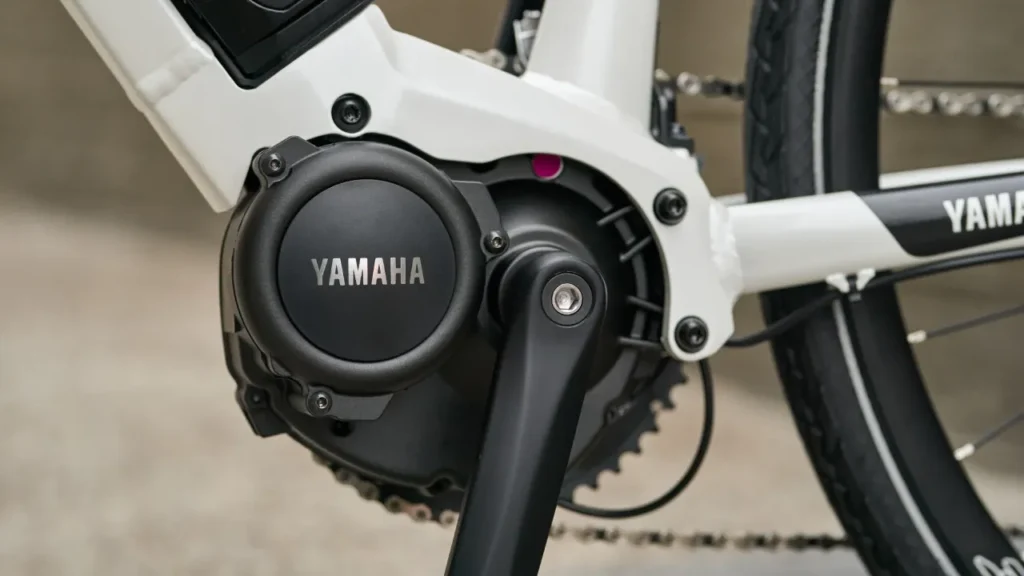
Yamaha has built a strong reputation in India for delivering reliable, performance-focused, and user-friendly two-wheelers. From motorcycles to scooters, the brand is known for combining quality engineering with everyday practicality. Now, the company is expected to explore the rapidly expanding electric bicycle segment, bringing its trusted name into a new category of urban mobility.
Clean and Practical Design with Lightweight Construction
The upcoming Yamaha electric cycle is expected to feature a clean and functional design approach. Instead of focusing on overly aggressive or flashy styling, Yamaha is likely to prioritize durability, comfort, and ease of daily use. A lightweight frame could make the cycle easier to handle in city traffic and narrow streets.
The overall geometry may offer a balanced riding posture suitable for students, working professionals, and senior riders alike. Smooth frame lines, integrated battery placement, and minimalistic finishing could give it a modern yet practical appearance. Lightweight construction will also play a crucial role in improving overall efficiency and battery performance.
Impressive 150KM Riding Range on a Single Charge
One of the most talked-about expectations surrounding this model is its potential 150KM range on a single charge. Range is one of the most important factors when choosing an electric cycle, especially for daily commuters who rely on consistent performance.
If Yamaha delivers close to this claimed figure under standard riding conditions, it would significantly reduce charging frequency and make the cycle suitable for longer daily commutes. The actual range will likely depend on rider weight, terrain, assist level, and traffic conditions. Even with moderate usage, a long-range electric cycle can offer excellent practicality for urban travel.
Advanced Lithium-Ion Battery and Convenient Charging
The heart of any electric cycle is its battery system. Yamaha is expected to equip this model with a high-capacity lithium-ion battery, known for better energy efficiency, lighter weight, and longer lifespan compared to traditional battery technologies.
Lithium-ion batteries generally support faster charging and require lower maintenance, which is ideal for everyday users. The battery may be removable, allowing riders to charge it conveniently at home or the workplace. Charging time is expected to remain practical for daily use, making it easier for owners to incorporate into their routine.
Smooth Motor Performance for Assisted Riding
With decades of expertise in motor technology, Yamaha is likely to deliver a refined and silent electric motor tuned for city riding. Instead of focusing on high top speeds, the emphasis may remain on smooth acceleration, efficiency, and controlled performance.
Multiple pedal-assist modes could allow riders to adjust power output according to their preference. This ensures flexibility whether riding on flat roads or mild inclines. A well-calibrated motor system can make daily commuting less tiring while maintaining energy efficiency.
Smart Features Designed for Modern Urban Users
Modern commuters expect convenience and real-time information, and the Yamaha electric cycle is expected to include essential smart features. A digital display could show speed, battery level, assist mode, and estimated range.
Some versions may even support mobile connectivity for tracking ride data or battery status. While these features are practical, Yamaha is expected to keep the system user-friendly without unnecessary complexity. The goal would be to enhance the riding experience rather than complicate it.
Enhanced Safety with Reliable Braking System
Safety is always a priority in urban traffic conditions. The Yamaha electric cycle is likely to come equipped with disc brakes on both wheels for improved stopping power. Disc brakes offer better performance in varied weather conditions compared to traditional braking systems.

In addition, features such as LED lighting, reflectors, and stable tires may enhance visibility and control. A sturdy frame design could further contribute to rider confidence during daily use.
Comfort-Oriented Ergonomics for Daily Commuting
Comfort plays a crucial role in determining whether a cycle can be used daily. Yamaha is expected to design this electric cycle with ergonomic handlebars, a well-cushioned seat, and a relaxed riding posture. These elements can significantly reduce fatigue during longer rides.
Shock-absorbing suspension, if included, may further enhance comfort on uneven city roads. By focusing on daily usability, Yamaha could position this cycle as a dependable companion for routine travel.
Expected Price and Value Proposition
Affordability will be a key factor in determining market success. The Yamaha electric cycle is expected to be competitively priced to attract first-time electric mobility buyers. By offering a balance of long range, smart features, and reliable build quality, Yamaha may target budget-conscious urban consumers.
Competitive pricing combined with the brand’s established service network could strengthen its value proposition. Buyers often consider after-sales support when purchasing electric vehicles, and Yamaha’s presence across India may provide additional confidence.
Potential Impact on India’s Growing Electric Mobility Market
India’s electric mobility sector is expanding steadily, with increasing government support and rising consumer awareness. Electric cycles are particularly gaining popularity in metro cities and tier-two towns where short-distance commuting is common.
If launched with the expected specifications, the Yamaha electric cycle could compete effectively with both domestic and international brands. Its combination of brand reliability, practical range, and everyday usability may help it stand out in a competitive segment.
Why This Electric Cycle Could Be a Practical Urban Choice
The upcoming Yamaha electric cycle is expected to bridge the gap between traditional bicycles and petrol-powered two-wheelers. It may offer lower running costs, reduced maintenance expenses, and environmentally friendly mobility.
As with any new vehicle, potential buyers should evaluate official specifications, pricing details, and real-world performance once the product is formally introduced. Careful consideration of daily usage needs will ensure an informed and confident purchase decision.


Hi, I’m Irfan, the founder and content creator behind Dunsel. I have a strong interest in smartphones and automobiles, and I enjoy researching the latest technology trends and vehicle innovations. Through this platform, I aim to share clear, accurate, and helpful information that makes it easier for readers to understand new products before making a purchase decision.