Cinco de Mayo is one of the most widely recognized cultural celebrations connected to Mexico, but its true meaning is often misunderstood. Many people believe it marks Mexico’s Independence Day, but in reality, it commemorates a historic military victory.
This article explores the origins, significance, traditions, and modern-day celebrations of Cinco de Mayo, providing a clear and informative guide for readers who want to understand the event beyond surface-level festivities.

What Is Cinco de Mayo?
Cinco de Mayo, which translates to “Fifth of May” in Spanish, marks the anniversary of the Mexican army’s victory over French forces at the Battle of Puebla in 1862. This battle was a symbolic triumph, especially considering the size and strength of the opposing army.
While it is a relatively minor holiday in Mexico, particularly observed in the state of Puebla, it has grown into a major cultural celebration in the United States and other parts of the world.
Historical Background of Cinco de Mayo
In the early 1860s, Mexico faced severe financial difficulties and suspended payments on foreign debts. In response, France, under Napoleon III, attempted to establish control over Mexico. French troops advanced toward Mexico City, encountering resistance in Puebla.
Despite being outnumbered and less equipped, Mexican forces successfully defended their territory on May 5, 1862. This unexpected victory became a symbol of resilience and national pride.
Why Cinco de Mayo Is Important
The importance of Cinco de Mayo lies in its representation of courage and unity. It highlights how determination and strategy can overcome larger forces, making it an inspiring historical moment.
For Mexican-Americans, the day has also evolved into a celebration of heritage, identity, and cultural pride. It provides an opportunity to recognize Mexican contributions to society and history.
How Cinco de Mayo Is Celebrated in Mexico
In Mexico, celebrations are mostly concentrated in Puebla, where the historic battle took place. Events include military reenactments, parades, and educational programs about the country’s history.
Unlike common perception, the day is not a nationwide public holiday. Most regions in Mexico observe it in a more formal and historical context rather than as a large-scale festival.
How Cinco de Mayo Is Celebrated Worldwide
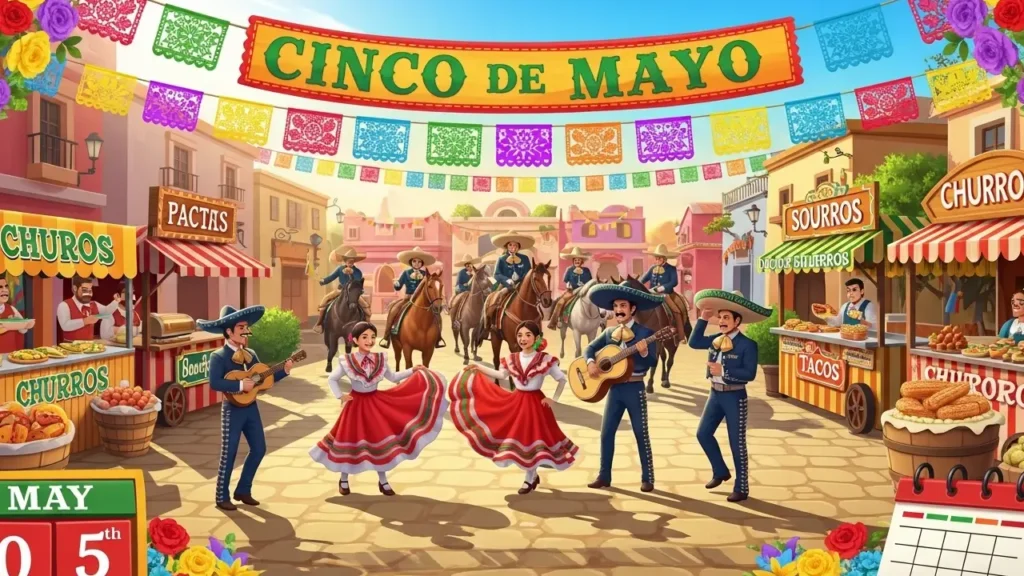
Outside Mexico, particularly in the United States, Cinco de Mayo has become a vibrant cultural festival. Communities organize parades, music performances, and food events to celebrate Mexican traditions.
Restaurants and cultural centers often showcase authentic Mexican cuisine, traditional dances, and live entertainment. The celebration serves as both a cultural appreciation event and a social gathering.
Traditional Foods and Activities
Food plays a central role in Cinco de Mayo celebrations. Popular dishes include tacos, enchiladas, guacamole, and tamales. These meals reflect the rich culinary heritage of Mexico.
Activities often include traditional dances such as folklórico, mariachi music performances, and community festivals. Educational programs may also highlight Mexican art, history, and customs.
Common Misconceptions About Cinco de Mayo
One of the most common misunderstandings is that Cinco de Mayo celebrates Mexico’s independence. In reality, Mexico’s Independence Day is observed on September 16.
Another misconception is that the holiday is widely celebrated across Mexico. While important historically, it is primarily a regional observance rather than a national holiday.

Modern Cultural Significance
Today, Cinco de Mayo represents more than a historical event. It has become a platform for celebrating Mexican culture, including art, music, and traditions.
However, it is also important to approach the celebration respectfully, focusing on cultural appreciation rather than stereotypes or commercialization.
Specification Table: Key Facts About Cinco de Mayo
| Category | Details |
|---|---|
| Event Name | Cinco de Mayo |
| Date | May 5 |
| Historical Event | Battle of Puebla (1862) |
| Country of Origin | Mexico |
| Primary Significance | Mexican victory over French forces |
| Major Celebrations | Puebla (Mexico), United States |
| Type of Holiday | Cultural and historical observance |
FAQs About Cinco de Mayo
1. Is Cinco de Mayo Mexico’s Independence Day?
No, Mexico’s Independence Day is celebrated on September 16. Cinco de Mayo marks the Battle of Puebla.
2. Why is Cinco de Mayo more popular in the United States?
It has become a celebration of Mexican-American culture and heritage, gaining widespread recognition through festivals and community events.
3. Do all parts of Mexico celebrate Cinco de Mayo?
No, it is mainly observed in Puebla, where the historical battle took place.
4. What foods are commonly eaten on Cinco de Mayo?
Popular foods include tacos, enchiladas, tamales, and guacamole, reflecting traditional Mexican cuisine.
5. What does Cinco de Mayo symbolize today?
It symbolizes resilience, cultural pride, and the celebration of Mexican heritage worldwide.
Conclusion
Cinco de Mayo is a meaningful historical and cultural event that goes beyond festive gatherings. It represents a significant moment in Mexican history and continues to inspire pride and unity.
Understanding its true origins and significance allows people to celebrate the day with greater respect and awareness, making it a richer and more meaningful experience for everyone involved.